


Why Nurse Anesthetist Malpractice Claims Spike
Dec 10 2025Nurse anesthetists play a critical role in modern health care. Tasked with delivering anesthesia care, monitoring vital signs, and ensuring patient safety during procedures, their responsibilities are immense.
Despite their expertise, however, there are times when nurse anesthetist malpractice claims spike. These claims can stem from a variety of factors, and understanding the root causes is necessary for reducing liability and improving patient outcomes. Let’s take a look at the top contributing factors, from industry trends to systemic challenges, and explore strategies to mitigate risks.
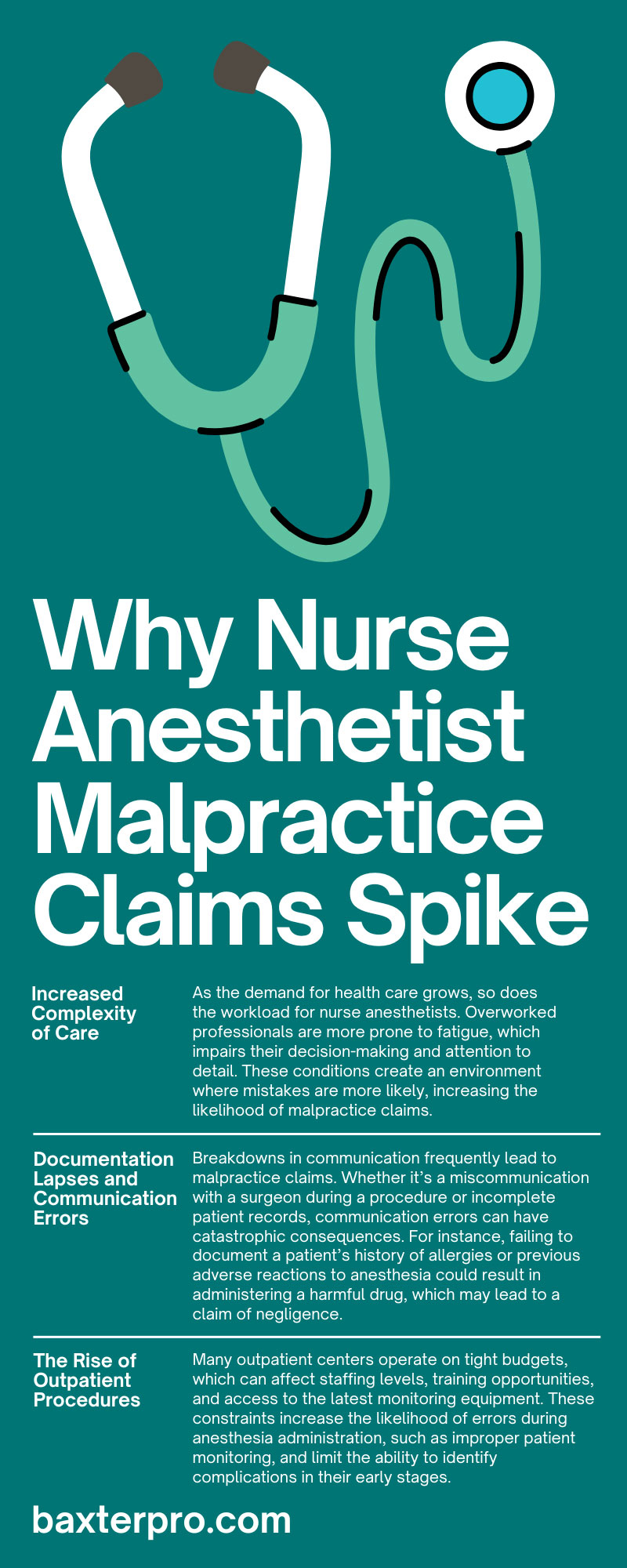
Increased Complexity of Care
Advancements in medicine allow for more complex and intricate procedures, many of which require precise anesthetic management. Nurse anesthetists often work in high-stakes environments, from operating rooms to outpatient clinics, managing patients with a range of conditions.
This complexity increases the chances of errors occurring. For example, administering anesthesia to a patient with multiple comorbidities requires keen attention to dosage, interactions, and timing. Being slightly off in any of these areas can lead to severe complications.
Furthermore, as the demand for health care grows, so does the workload for nurse anesthetists. Overworked professionals are more prone to fatigue, which impairs their decision-making and attention to detail. These conditions create an environment where mistakes are more likely, increasing the likelihood of malpractice claims.
Documentation Lapses and Communication Errors
Breakdowns in communication frequently lead to malpractice claims. Whether it’s a miscommunication with a surgeon during a procedure or incomplete patient records, communication errors can have catastrophic consequences. For instance, failing to document a patient’s history of allergies or previous adverse reactions to anesthesia could result in administering a harmful drug, which may lead to a claim of negligence.
Insufficient documentation also hampers a nurse anesthetist’s ability to defend themselves in the event of a claim. Courts and insurers rely heavily on accurate and thorough medical records to determine whether the standard of care was met. Lack of detail or missing entries often shifts the burden of proof onto the practitioner, putting them at greater risk of liability.
The Rise of Outpatient Procedures
Another factor contributing to the spike in malpractice claims is the growing prevalence of outpatient procedures. These settings often lack the comprehensive resources of hospitals, which means nurse anesthetists face unique challenges.
Their expectations include managing patients discharged on the same day, often after undergoing significant interventions. The pressure to be efficient while maintaining care quality in these fast-paced environments can lead to oversights.
Additionally, many outpatient centers operate on tight budgets, which can affect staffing levels, training opportunities, and access to the latest monitoring equipment. These constraints increase the likelihood of errors during anesthesia administration, such as improper patient monitoring, and limit the ability to identify complications in their early stages.
Litigation Culture and Patient Awareness
Our society has seen a cultural shift toward greater patient awareness and a willingness to pursue legal action when medical errors occur. While empowering patients with knowledge is a positive trend, it has also led to an increase in malpractice claims against health care providers, including nurse anesthetists. Many patients or their families are quick to file claims for real or perceived issues, putting medical professionals in a defensive position regardless of the validity of the complaint.
This heightened scrutiny creates a greater need for nurse anesthetists to follow meticulous protocols and document every aspect of care. The increasing prevalence of lawsuits also underscores the importance of CRNA moonlighting malpractice insurance, to ensure adequate protection for nurse anesthetists working additional shifts or in secondary positions. CRNAs must remain vigilant and make sure their policies provide full coverage.
Training Gaps and Evolving Standards
The field of anesthesiology continuously changes. Health care experts regularly introduce new equipment, techniques, and medications to improve patient care. However, these advancements require continuous education. Without consistent training, gaps in knowledge form, leaving nurse anesthetists at risk of inadvertently causing harm. For instance, failing to stay updated on dosage protocols for a newly approved medication could lead to an overdose or underdose.
While many health care institutions provide ongoing training, the quality and frequency vary greatly. Nurse anesthetists in smaller practices or underfunded facilities may have fewer opportunities to attend workshops or obtain certifications in the latest techniques. This disparity in training standards contributes to inconsistencies in care, which can lead to malpractice claims.
Risk Mitigation Strategies
While the factors behind why malpractice claims against nurse anesthetists spike are multifaceted, there are effective strategies nurse anesthetists and their employers can use to reduce risks. Key measures include adopting more rigorous documentation practices, fostering open and transparent communication among health care teams, and prioritizing ongoing education.
For instance, implementing standardized protocols for patient assessments and record-keeping serves as both a preventative measure and a strong defense in case of litigation.
A supportive workplace culture can also make a significant difference. When nurse anesthetists feel valued and empowered, they are more likely to engage in proactive risk management. This includes reporting near-misses, seeking clarification when uncertainties arise, and collaborating openly with colleagues to ensure the highest level of care.
Comprehensive insurance coverage is essential. Agencies such as Baxter & Associates provide tailored malpractice insurance solutions designed to meet the unique needs of nurse anesthetists. Such coverage offers the financial protection and resources to handle claims effectively, allowing practitioners to focus on delivering quality care without the constant fear of legal repercussions.
The Role of Technology in Reducing Errors
Technology plays a critical role in reducing malpractice risks. Advanced patient monitoring systems now provide real-time data that can alert anesthetists to subtle changes in a patient’s condition before they escalate into serious issues. Electronic health records (EHRs) also streamline the sharing of critical information, helping to reduce communication errors.
However, technology is not foolproof and presents its own set of challenges. Overreliance on automated systems can lead to complacency, while technical malfunctions may catch even the most seasoned professionals off guard. To minimize these risks, nurse anesthetists must adopt a balanced approach, using technology as a supplement to—not a substitute for—clinical expertise and judgment.
Prioritizing patient safety and minimizing risks requires a multifaceted approach, combining education, communication, technological advancements, and adequate legal protections. Insurance agencies such as Baxter & Associates are in the unique position to address the various and far-reaching insurance needs of professionals in high-stakes roles, providing tailored solutions that allow them to focus on their work with peace of mind.